
Elder and Family Mediation
Elder Mediation Brisbane Sunshine Coast
As families navigate changes later in life, important decisions can sometimes lead to uncertainty and different views.
Linda supports older people and their families to work through difficult conversations and make thoughtful decisions about future care and changing needs.
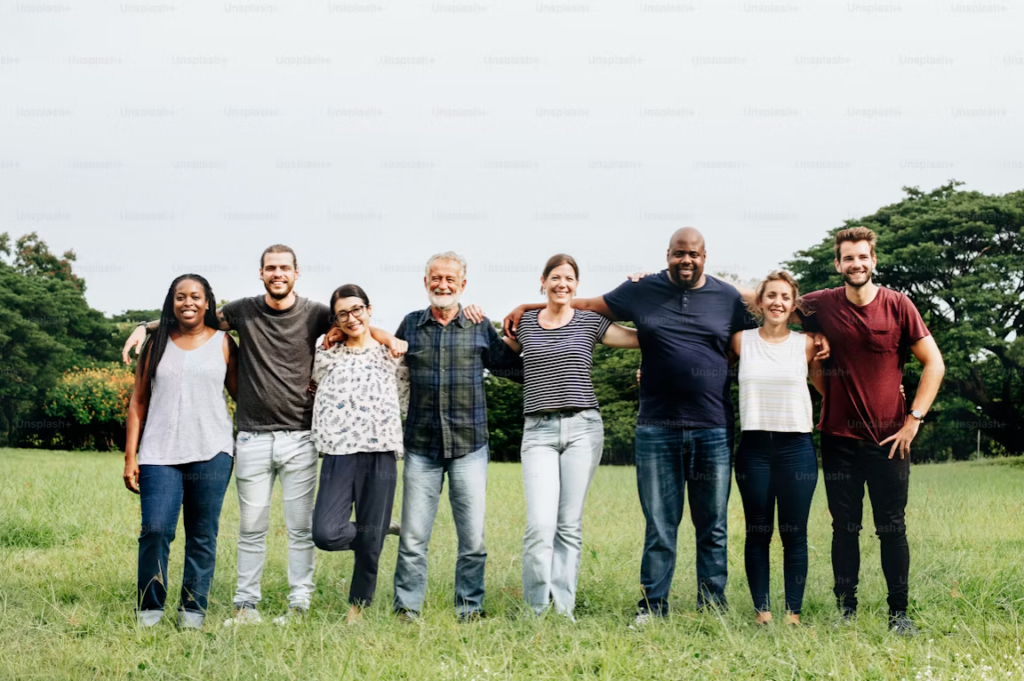
Elder Mediation, Brisbane Sunshine Coast, Linda Denaro
What is Elder and Family Mediation?
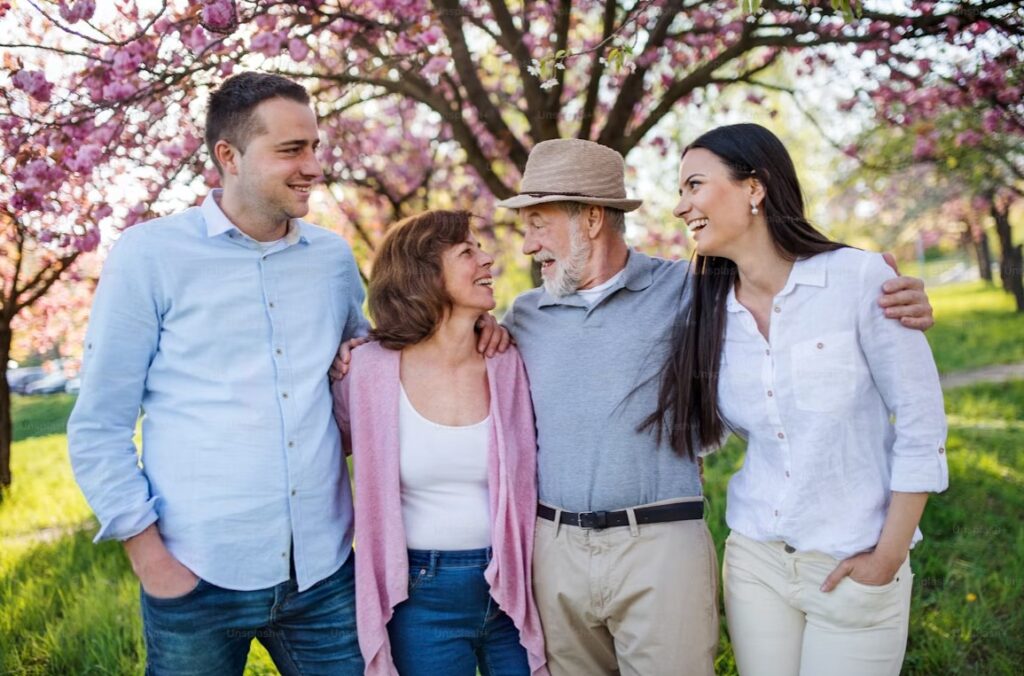
Elder and Family mediation is a specialised form of mediation designed to support older people and their families to work through decisions, concerns or disagreements that may arise with ageing and changing family circumstances.
It offers a respectful environment for family members to come together, share their perspectives and feel heard.
In this context, family may include relatives, close friends or other significant people whom the older person considers to be family. It offers a respectful environment for those involved to come together, share their perspectives and feel heard.
Rather than deciding who is right or wrong, mediation focuses on understanding what is important to the older person and each family member, identifying the issues that need to be worked through and exploring practical options together.
Particular importance is placed on ensuring that, the older person’s voice, wishes, dignity and right to participate in decisions affecting their life remain central to the process.
Some topics covered in Elder and Family Mediation
Every family’s situation is different, with its own circumstances, relationships and needs. Mediation can provide a supportive space to discuss matters such as:
- Future care and support needs
- Advance care directives and future healthcare wishes
- Healthcare and medical decision-making
- Whether to commence an Aged Care Assessment Team (ACAT) assessment
- Remaining at home, increasing home supports or considering residential aged care
- Changes in care needs following illness, hospitalisation or declining health
- Enduring Powers of Attorney and how decisions will be made
- Financial matters relating to care, accommodation and support
- Family concerns about an older person’s safety, independence or wellbeing
Elder Mediation Brisbane Sunshine Coast
Keeping the Older Person at the Centre
An important part of mediation is ensuring that the older person does not become lost amongst competing family concerns.
The aim is not to make decisions about an older person without them, but wherever possible to support conversations and decision-making with them.
Why Consider Elder and Family Mediation?
Elder Mediation Brisbane Sunshine Coast
Families can care deeply about an older person and still have very different views about what is best for them.
One family member may be worried that Mum or Dad is no longer managing safely at home, while another may feel they are coping well and should remain independent for as long as possible. Siblings may disagree about who should provide care, whether additional support is needed, how finances should be managed, or when it may be time to consider alternative living arrangements.
These conversations can become even more difficult when there is illness, cognitive decline, increasing care needs or long-standing family tensions.
Elder and Family Mediation provides a supported space for families to talk through concerns, hear each other’s perspectives and work towards practical decisions that keep the older person’s wishes, dignity and wellbeing at the centre.
With the support of an impartial mediator, family members can:
- explain their concerns
- listen to different perspectives
- clarify misunderstandings
- identify what matters most
- explore different options
- consider what is realistically possible
- make practical plans for the future
- reduce tension and improve communication
Importantly, families do not need to wait until relationships have broken down before seeking mediation. Having these conversations earlier can often make future decisions easier.
Elder Mediation Brisbane Sunshine Coast
Elder and Family Mediation Process
Step 1. Individual consultation
Before mediation begins, Linda meets individually with the older person/s and each family member and/or significant others who will be participating in the mediation.
These sessions provide an opportunity to:
- understand the family situation and each person’s concerns
- identify the issues to be discussed
- understand what each person hopes mediation may achieve
- consider the needs, wishes and participation of the older person/s involved
- discuss any safety, communication or accessibility considerations
- determine whether mediation is appropriate
This also allows important dynamcs and considerations to be understood before everyone comes together.
Step 2. Mediation Session
The mediation is facilitated in a structured and respectful way, identifying the topics to be discussed and prioritising what needs attention. Everyone is given time to speak, listen and better understand one another, while keeping the older person’s wishes and wellbeing at the heart of the conversation.
Step 3. Next Steps
Where agreement is reached or practical next steps are identified, these can, if requested, be recorded in a written summary and emailed to those who attended the mediation.
Sometimes further legal, financial, medical, aged-care or other professional advice may be helpful before final decisions are made. Once that information has been obtained, family members are welcome to return for another mediation session to continue the conversation and consider what happens next.
Please Note:
As mediation can involve several people and a range of important, often sensitive topics, more than one session is commonly needed. This allows time to reflect on what has been discussed, obtain any relevant information or professional advice, and return to continue working through the issues together.
Frequently asked questions
Does there need to be a major family conflict before we come to Elder and Family Mediation?
No.
Mediation can be particularly valuable before conflict becomes entrenched.
Families may seek mediation because they know an important decision is approaching, communication has become strained or several family members have different ideas about what should happen.
Having a facilitated conversation earlier can make it easier to understand everyone’s concerns and develop a plan before circumstances become more difficult.
Does the older person attend the mediation?
It is important that the elder person (your loved one) remains at the centre of the mediation process. Understandably, every family has different circumstances and needs.
There may be times when health, communication needs or other circumstances affect how they are able to participate. In these situations, the mediation process can be adapted to support the older person’s needs, wishes and level of participation, while also recognising the needs and circumstances of the family.
What if the older person has dementia or cognitive changes?
A diagnosis of dementia or cognitive impairment does not automatically mean that an older person cannot participate in mediation.
Capacity can be specific to the particular decision being discussed and may fluctuate.
Linda considers each situation individually and may recommend that appropriate professional advice or assessment is obtained where questions about decision-making capacity arise.
The mediation process may also be adapted to support the older person’s participation wherever appropriate.
What if family members strongly disagree?
That is often when having an impartial mediator can be particularly useful.
Linda provides structure to the conversation so that each person can explain their concerns while also hearing the perspectives of others.
The aim is not necessarily for everyone to think the same way. Instead, mediation helps identify areas of agreement, clarify where differences remain and explore whether practical arrangements can be reached.
Can siblings attend mediation?
Elder Mediation commonly involves adult children, siblings, grandchildren, or other significant people involved in their circumstances.
Who attends will depend on the issues being discussed and will be considered as part of the intake process.
Can a support person attend?
In some circumstances, yes.
A support person or another relevant professional may be able to participate where this is appropriate and agreed upon.
This needs to be discussed with Linda before mediation.
Do we need lawyers?
Not necessarily.
Elder Mediation is focused on facilitating family communication and decision-making rather than providing legal advice.
However, where discussions involve legal rights, property, Enduring Powers of Attorney, guardianship, financial arrangements or other legal matters, participants may benefit from obtaining independent legal advice.
How do we all meet in mediation?
All intake appointments and Elder Mediation sessions are conducted online via Zoom, allowing family members to participate from wherever they are. This makes mediation more convenient and accessible, particularly when family members live in different locations or are balancing work, caring and other commitments.
Zoom also allows for joint conversations or separate breakout rooms where appropriate, creating a flexible and comfortable environment for everyone involved.
Is mediation confidential?
Mediation is conducted as a private and confidential process.
Linda will explain confidentiality before the mediation commences and explain the exceptions of confidentiality.
What happens if we cannot reach agreement?
Not every issue needs to be resolved in one mediation.
Sometimes the most valuable outcome is gaining a clearer understanding of everyone’s concerns, identifying what further information is needed and agreeing on the next steps.
Families may choose to return for another mediation after obtaining further medical, legal, financial or aged-care information.
Online and In Person - Brisbane & Sunshine Coast
Take the Next Step
To book or enquiry about Elder and Family Mediation, please contact Linda at support@lindadenaro.com.au.